
DR. LAWRENCE SCHMETTERER
ABOUT THE PRACTICE
Who is Dr. Lawrence Schmetterer?
Dr. Lawrence Schmetterer is a fellowship-trained, board-certified cardiothoracic and vascular surgeon who has cared for patients throughout the Mahoning Valley for more than 34 years. After decades treating the full range of arterial, venous, and lymphatic conditions, his practice today is focused specifically on the diagnosis and treatment of venous and lymphatic disease, from varicose veins and chronic venous insufficiency to lymphedema. Patients are seen by Dr. Schmetterer directly, bringing the depth of a surgical career to every consultation.
What makes Dr. Schmetterer's approach to venous disease different?
Many providers who treat veins do so without formal surgical training in vascular disease. Dr. Schmetterer is a board-certified vascular surgeon with more than three decades of experience evaluating and treating conditions of the arteries and veins, beyond general medical training. That background means every evaluation looks at how the venous system is functioning as a whole, not just at the veins that are visible on the surface, which shapes a more complete treatment plan from the first visit.
Does Dr. Schmetterer accept my insurance?
Most major insurance plans are accepted, including Medicare and Medicaid. Coverage for a specific procedure depends on documented medical necessity, which is typically established through symptoms and a duplex ultrasound. The office verifies each patient’s benefits before any treatment is scheduled, so there are no surprises.
Do I need a referral to be seen?
No referral is required; patients are welcome to call the office directly to schedule a consultation. A referral from a primary care physician or wound care center, or one required by an insurance plan, is welcome as well, and the office coordinates with that provider as part of scheduling. Either way, the first visit includes a history, an exam, and in most cases an ultrasound evaluation, so patients leave with a clear picture of what’s going on and what comes next.
Where is the practice located, and what areas does it serve?
The practice is located at 5671 Mahoning Avenue in Youngstown, Ohio. Patients are seen from throughout the Mahoning Valley, including Austintown, Boardman, Poland, Canfield, Warren, and Salem. To schedule a consultation, call the office at 330-743-3604 or text 330-443-0111.
I was Dr. Schmetterer's patient before. Can I still see him?
Yes. Dr. Schmetterer continues to follow the patients he has cared for over the years, including those who have undergone cardiac, thoracic, and vascular procedures. That continuity of care is coordinated alongside each patient’s primary care physician and relevant specialists. To schedule a follow-up or ask about your specific situation, call the office at 330-743-3604 or text 330-443-0111.
DR. LAWRENCE SCHMETTERER
ABOUT VENOUS DISEASE
What are the symptoms of venous insufficiency?
The most common symptoms are leg heaviness, aching, or fatigue that worsens through the day, along with ankle swelling that improves overnight. Other signs include visible varicose veins, throbbing or restless legs, and skin changes such as darkening or thickening near the ankle. Any combination of these is worth a vascular evaluation, even if no single symptom seems serious on its own.
Is venous insufficiency a serious condition?
Venous insufficiency is a progressive condition, meaning it tends to worsen gradually if left untreated rather than staying the same. What begins as mild heaviness or visible veins can, over years, progress to significant swelling, skin changes, and in advanced cases venous ulcers that are difficult to heal. Identifying and treating it earlier is typically simpler and more effective than waiting until symptoms become severe.
What is the difference between varicose veins and spider veins?
Varicose veins are larger, raised, rope-like vessels caused by valve failure in the veins beneath the skin, while spider veins are smaller, flat, web-like vessels closer to the surface. Both can be connected to underlying venous insufficiency, though varicose veins are more often associated with symptoms such as aching and swelling. An ultrasound evaluation can clarify whether either type reflects a deeper issue that should be addressed.
DR. LAWRENCE SCHMETTERER
ABOUT TREATMENT
What should I expect at my first appointment?
Your first appointment is a consultation: a detailed history and a physical examination of your legs, typically completed in under an hour. Dr. Schmetterer reviews your symptoms, listens to your concerns, and explains what he is seeing before recommending any next steps. You leave with a clear picture of what comes next and answers to all your questions.
How long does vein treatment take?
The initial consultation takes under an hour. The duplex ultrasound appointment and the procedure are each scheduled separately. Once at the procedure stage, RFA and VenaSeal typically take 45 to 60 minutes, and sclerotherapy sessions are 30 minutes or less. All procedures are outpatient and patients return to most activities the same day.
Do you use laser for vein treatment?
No, this practice uses radiofrequency ablation rather than laser for closing diseased veins. Both are heat-based treatments, but radiofrequency delivers more controlled, lower-temperature energy, which in practice often means less discomfort and a smoother recovery. When patients ask about “laser vein treatment,” radiofrequency ablation is the modern alternative used here.
Does insurance cover vein treatment?
In most cases, yes. Medicare, Medicaid, and most private insurers cover treatment for venous insufficiency when it is medically necessary, which is established through symptoms and a duplex ultrasound showing reflux. Purely cosmetic treatment, such as spider veins without an underlying medical cause, is generally not covered, and the office reviews each patient’s specific coverage before scheduling.
New E-Book
The
Vein
Health
Blueprint
Expert guidance on understanding and treating venous conditions.

Guiding You to Better Health
Dr. Schmetterer’s Blog
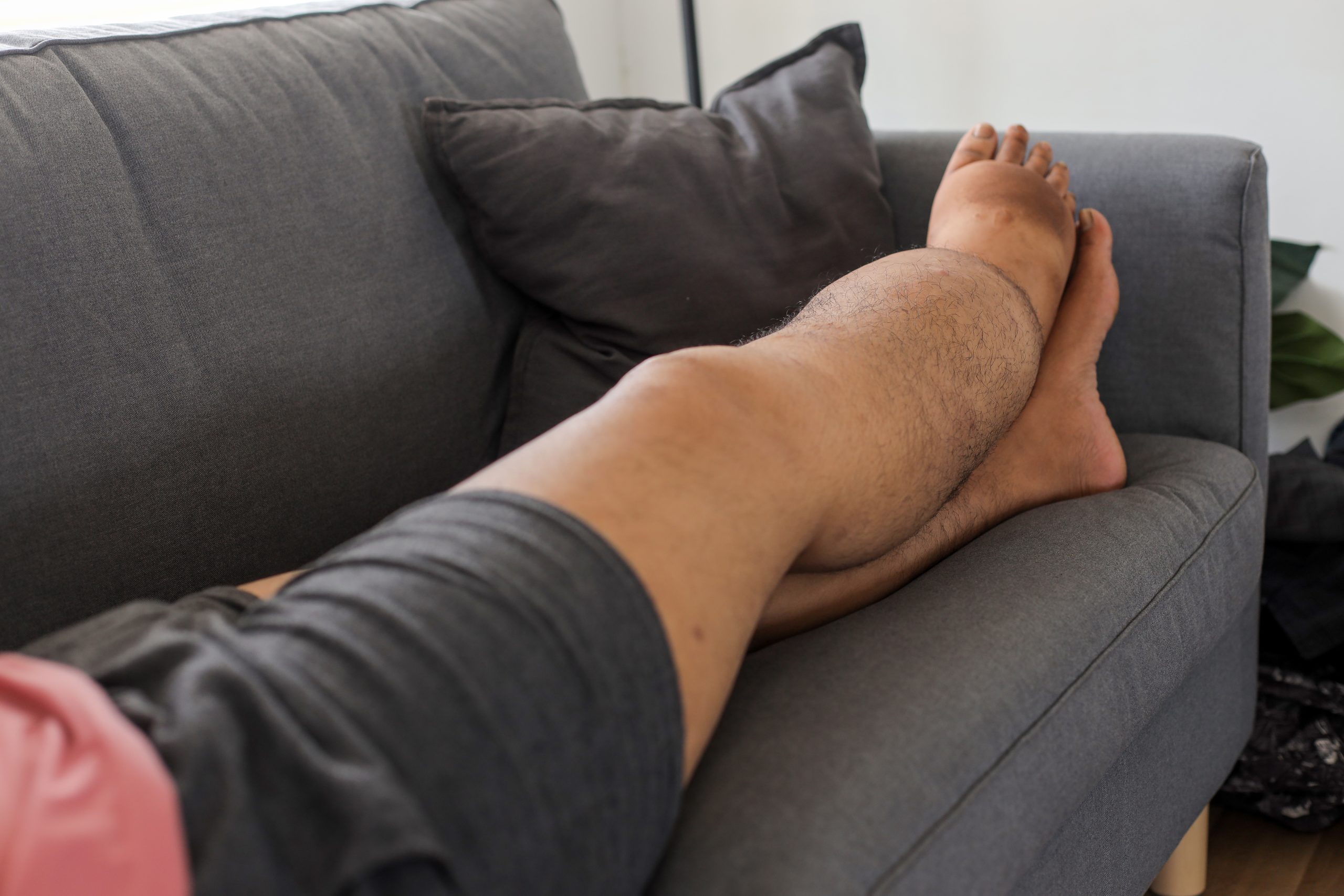
Beyond the Stocking: How Pneumatic Compression Is Changing Lymphedema Care
Compression therapy has been central to lymphedema management for decades, and for good reason. But for many patients, compression garments have also been a persistent
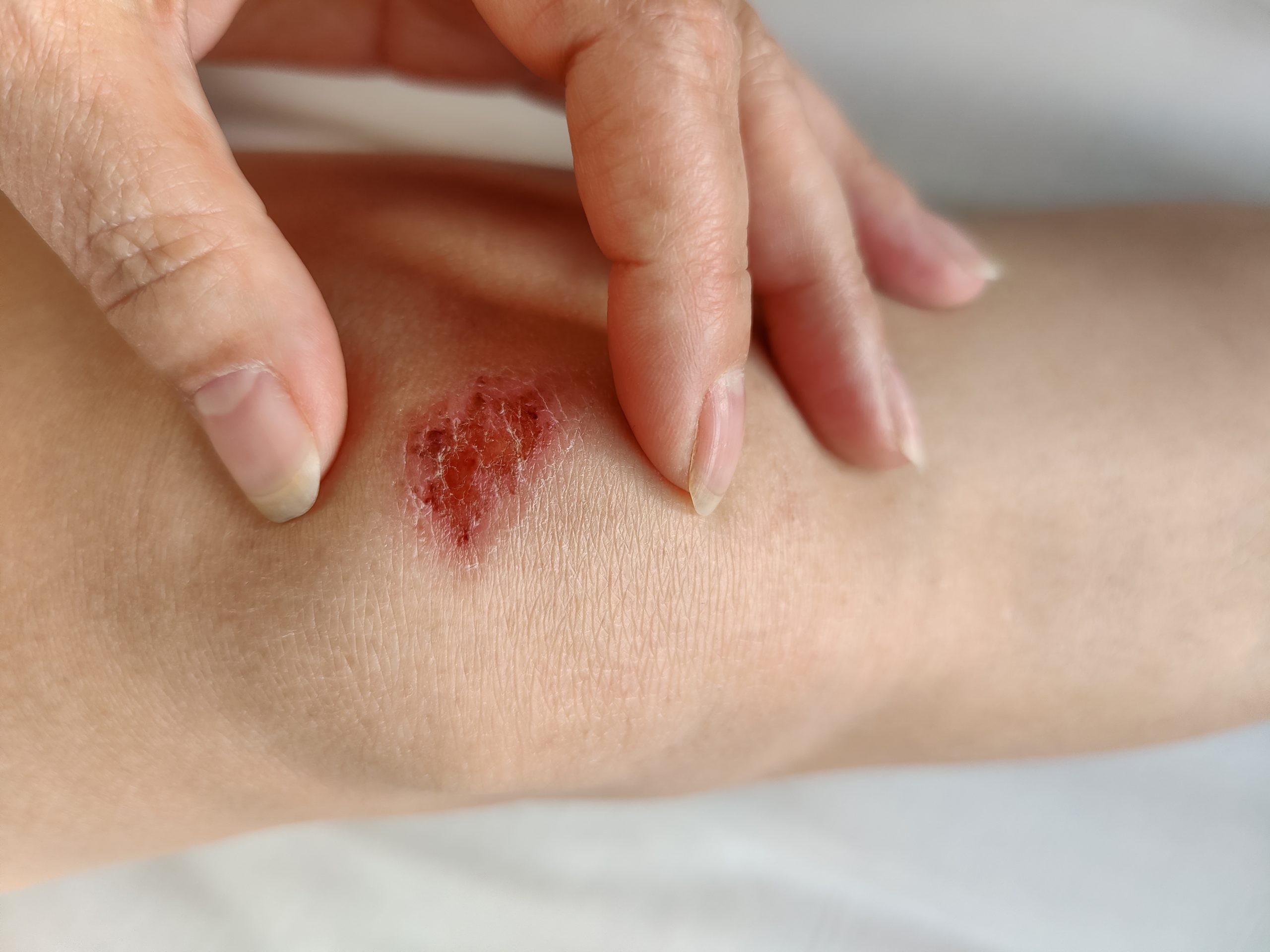
The Wound That Won’t Heal: What Your Leg Is Really Telling You
A wound on your lower leg that simply will not close, despite weeks or months of dressings and careful wound care, is one of the
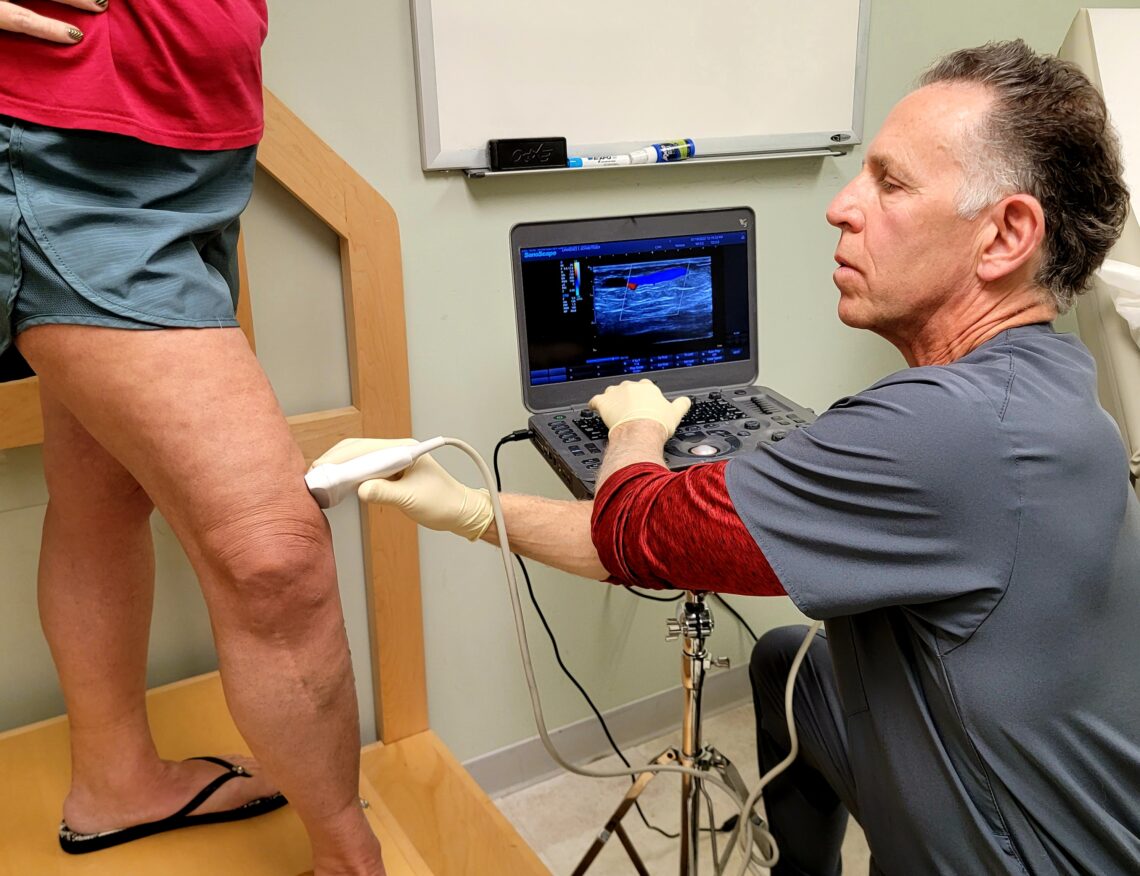
Why Does My Leg Still Swell After My Veins Were Treated?
If you’ve had treatment for venous insufficiency, whether ablation, sclerotherapy, or a combination, and your ultrasound now shows everything closed the way it should, but
Beyond the Stocking: How Pneumatic Compression Is Changing Lymphedema Care
Compression therapy has been central to lymphedema management for decades, and for good reason. But for many patients, compression garments have also been a persistent
The Wound That Won’t Heal: What Your Leg Is Really Telling You
A wound on your lower leg that simply will not close, despite weeks or months of dressings and careful wound care, is one of the
Why Does My Leg Still Swell After My Veins Were Treated?
If you’ve had treatment for venous insufficiency, whether ablation, sclerotherapy, or a combination, and your ultrasound now shows everything closed the way it should, but